Process discovery for work that lives in people, screens and fragmented tools

Understand how work really happens before you redesign it.

Give transformation and process-redesign teams a repeatable way to capture stakeholder knowledge, observe digital work and identify where processes break down.

InterviewsScreen observationsProcess synthesis
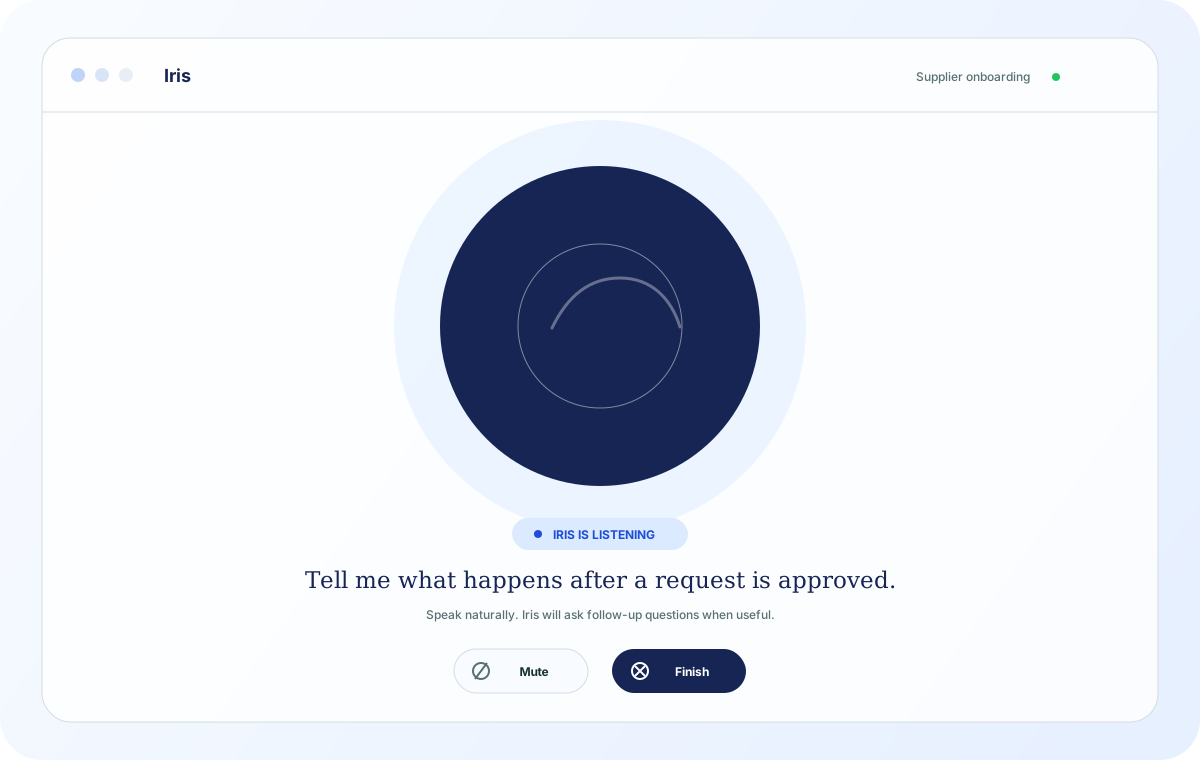
Active Iris conversation for a synthetic Supplier onboarding interview, with the Iris orb listening and participant controls visible.
The discovery gap

When the system data is not enough.

Iris conducts structured stakeholder interviews and participant-controlled screen observations, then brings the evidence together into a shared picture of how work actually happens.

01
Stakeholder knowledge
02
Spreadsheets and email
03
Undocumented judgement
04
Inconsistent event data

Traditional workshops often create isolated notes. Iris creates cumulative, structured evidence that can be compared and reviewed.

Evidence collection

Listen to the work. Observe the work.

Iris brings two complementary discovery journeys into one process workspace, helping teams capture both what people know and what digital work reveals.

Stakeholder interviews

A focused, adaptive conversation.

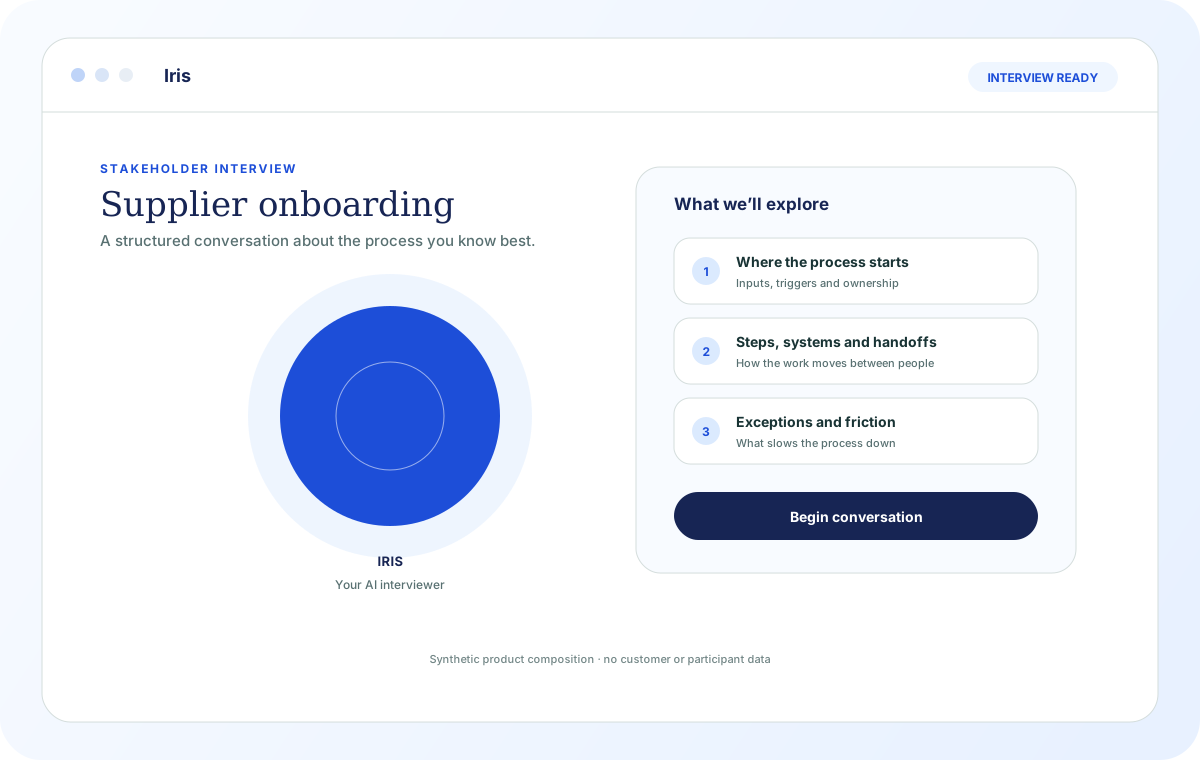
Iris asks about steps, handoffs, exceptions, pain points and missing context—then adapts as the process picture develops.

Iris interview preparation screen for a synthetic Supplier onboarding process, showing the conversation topics and Begin conversation action.
Screen observations

See the sequence of digital work.

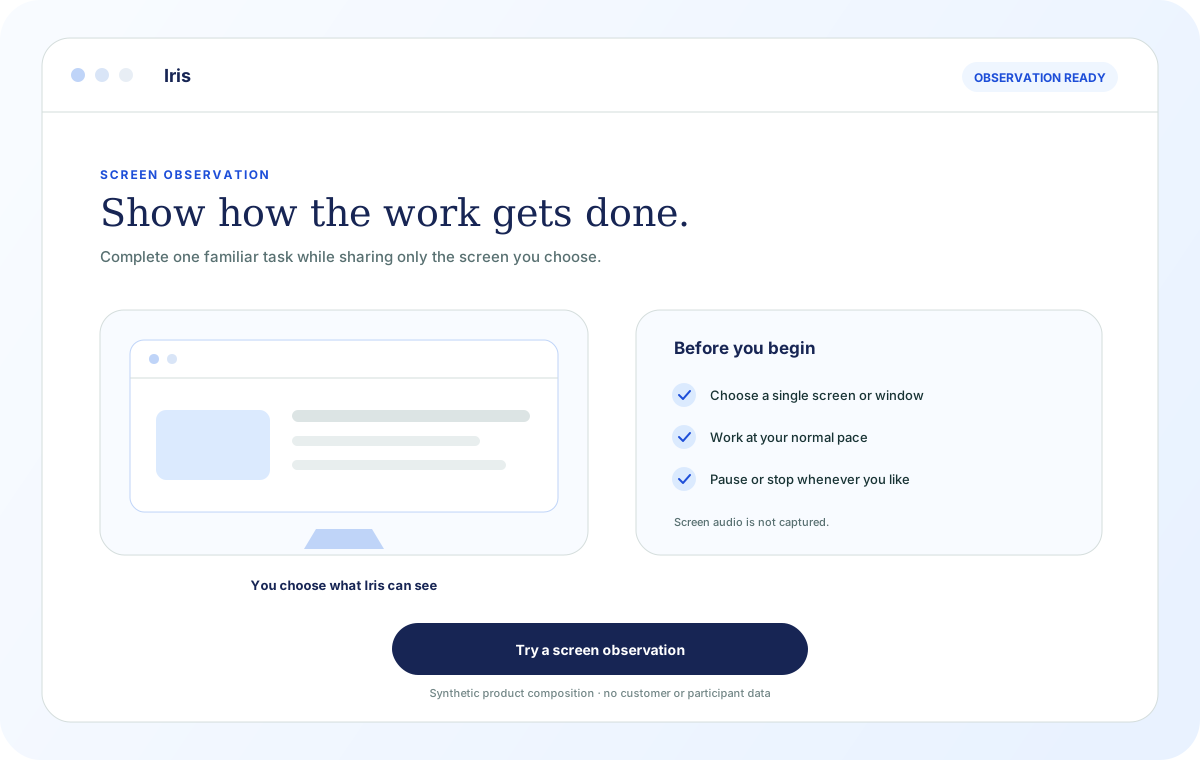
Participants complete a real task while sharing only the screen they choose, allowing Iris to identify manual effort without turning observation into surveillance.

Iris screen-observation introduction using synthetic data, explaining participant-controlled screen sharing, pause and stop controls, and that screen audio is not captured.
Observation review

Review what Iris observed.

Administrators can inspect the captured sequence, confirmed findings and evidence classifications before using the observation in the wider process picture.

Iris administrator review of a synthetic screen observation, showing confirmed findings, evidence classifications, observed task steps and elapsed effort.
How Iris works

From an open question to a reviewable process picture.

01

Create a process workspace

Define what needs to be understood.

02

Invite the people closest to the work

Share interview and observation links.

03

Iris connects the evidence

Compare accounts, identify gaps and build the current process picture.

04

Review and act

Inspect findings, suggested stakeholders, process synthesis and evidence-backed opportunities.

Administrator outputs

Evidence your team can inspect.

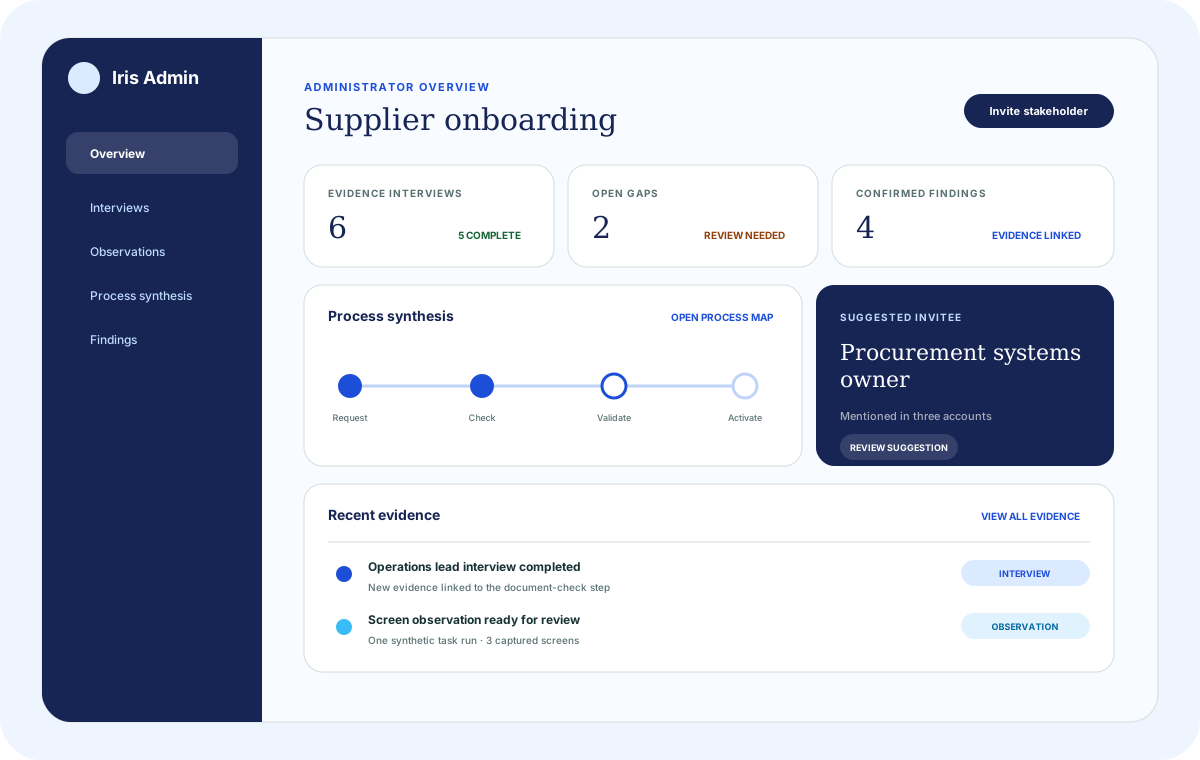
Iris brings process synthesis, friction, variants, open questions and suggested stakeholders into one administrator view—without hiding the evidence behind the finding.

  • Contradictions and process variants
  • Interview and observation evidence
  • Quantified effort when evidence supports it
  • Evidence-backed recommendations
Iris administrator overview for a synthetic Supplier onboarding workspace, showing interview progress, open gaps, findings, process synthesis and recent evidence.

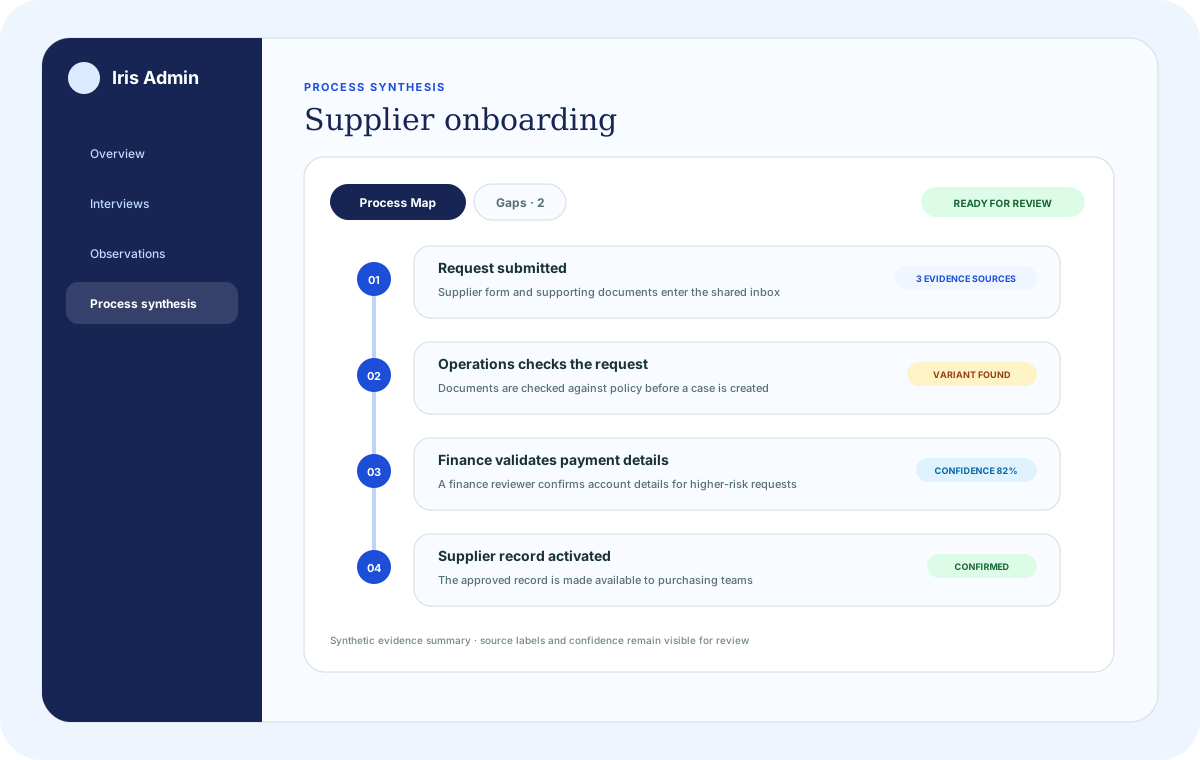
Process synthesis

Review linked steps, variants, open gaps, confidence and their supporting evidence.

Iris process synthesis for a synthetic Supplier onboarding process, showing four linked steps, evidence sources, a process variant and confidence labels.

Suggested stakeholder

See why a missing role was suggested before choosing whether to prepare an invitation.

Iris suggested-stakeholder review using synthetic evidence, recommending the role Procurement systems owner and showing why the role was suggested.

Evidence-backed finding

Keep observed and reported evidence visible alongside the boundary of the finding.

Iris evidence-backed finding using synthetic data, linking observed effort and four stakeholder accounts while making the evidence boundary explicit.
For transformation teams

One process picture, built by the people closest to the work.

Bring operations, finance, service and technology perspectives into a shared workspace. Iris helps your team see where accounts align, where they conflict and what still needs to be understood.

Iris evidence-backed finding using synthetic data, linking observed effort and four stakeholder accounts while making the evidence boundary explicit.
Build a shared process picture across teams.
Capture work that is poorly represented in system data.
Find conflicting variants, gaps and hidden manual work.
Prioritise redesign and automation using reviewable evidence.
Trust and evidence boundaries

Discovery with clear participant control.

Iris is designed to gather useful process evidence while keeping people informed, administrators accountable and the limits of each finding visible.

01

Participant-controlled sharing

Participants choose the screen they share. Screen observations do not capture screen audio.

02

Purposeful evidence capture

Interview audio is streamed for the conversation without retaining an audio recording.

03

Human review stays central

Administrators review findings, open questions and suggested stakeholders before acting.

04

Clear evidence boundaries

Iris keeps collected evidence, product inference and public research distinct and reviewable.

Access and deployment models can be configured to suit the engagement. Specific requirements are reviewed during onboarding.

Begin with evidence

Start with one process your team needs to understand.

See how Iris can help you capture the current state, connect the evidence and choose where redesign will have the greatest impact.

Try the live demoBook a demo